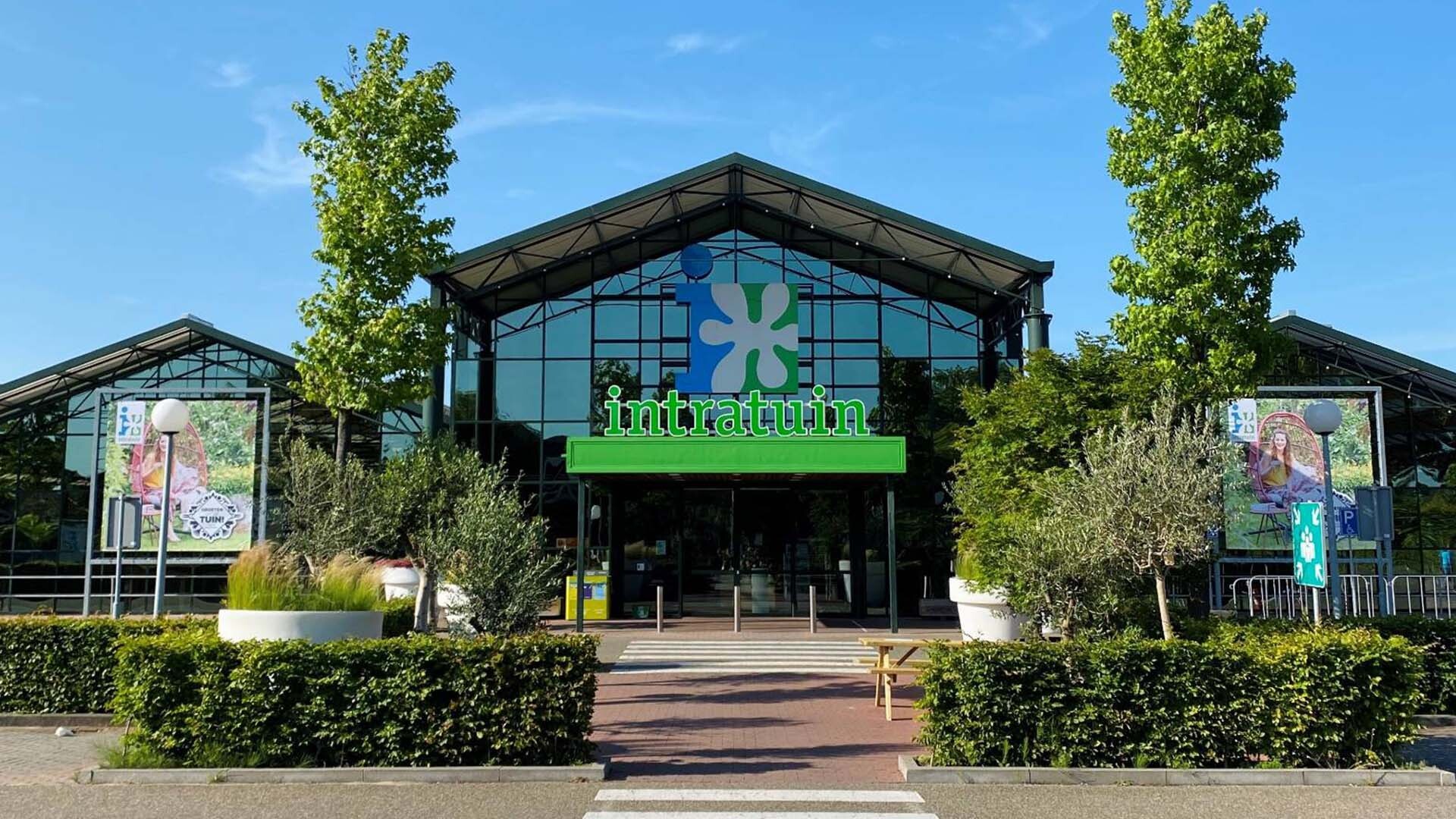
Exploring the possibilities and requirements of an AI-powered demand forecasting model for retail. The goal: to predict customer demand more accurately, helping buyers order smarter, reduce waste, and minimize profit loss.
The Challenge
The
project started with a question familiar to every retailer: “How might we
predict customer demand to help buyers order smarter?”
Shelves need to stay filled, but traditional forecasting can’t keep up with the
complexity and scale of modern retail. AI offers a way forward, if the
data is right. That meant getting the basics in place first: clean, complete
and consistent data, and the right variables to feed the model.
Building the model
We trained an AI forecast model in Google Vertex AI, using four years of Intratuin’s historical data. The model combined a diverse set of variables such as price changes, promotions, seasonality patterns, and holiday peaks, giving it a richer understanding of real buying behavior. Once the forecasting engine was ready, we integrated it into Intratuin’s OutSystems-based purchasing environment. Within a short lead time, the system could forecast more than 48,000 articles and provide a strong foundation for bringing predictive insights into daily buying decisions.
From forecast to advice
The next step is to use this forecast quantity and turn it into an actionable advice that supports the buyer during their purchases. So we translated the model’s output into a simple “Safety Stock threshold” formula that signals when stock levels become critical. Buyers saw a clear advice number directly in their purchasing screen, right where decisions are made. No new dashboards. No new workflow. Just actionable guidance woven into their existing process.

User adoption and change management
Over several months, we met buyers in their stores, observed how they work and tested how well the advice fit their routines. The goal was to understand whether the AI’s recommendations truly supported their decisions, and to learn from moments when they didn’t. These conversations were honest, sometimes challenging, always valuable. They helped refine the model, but more importantly, they turned buyers into active contributors who understood the value and felt ownership of the solution. Their feedback improved the model’s performance and deepened our understanding of the buying process and the business itself, laying the groundwork for all improvements that followed.

Results and next steps
The pilot uncovered two important learnings. First: context matters. Elements such as shelf layout, visual merchandising and preselected article groups strongly influence buying decisions, and the model needs to account for that. Second: we created a comparison framework that shows, for every article, where the AI advice and the buyer’s actual decision match or differ. This framework makes the iteration process much simpler. It highlights where the model performs well, where it diverges from human judgment and where the biggest opportunities for calibration lie. It gives Intratuin a clear, visual way to move more articles into the “right advice, right action” quadrant over time.
Continuing the journey
Intratuin is now fully equipped to continue this journey themselves. And that is the point. We’ve learned that with AI, much like with other complex topics, you rarely get it perfect on day one. You start small, iterate, and the value compounds. Each cycle improves the model and deepens your understanding of your own business. What began as a pilot has become a learning loop that helps Intratuin make more informed, data-driven decisions in their buying process.